
Personal Brand PR: Is It Right for You?

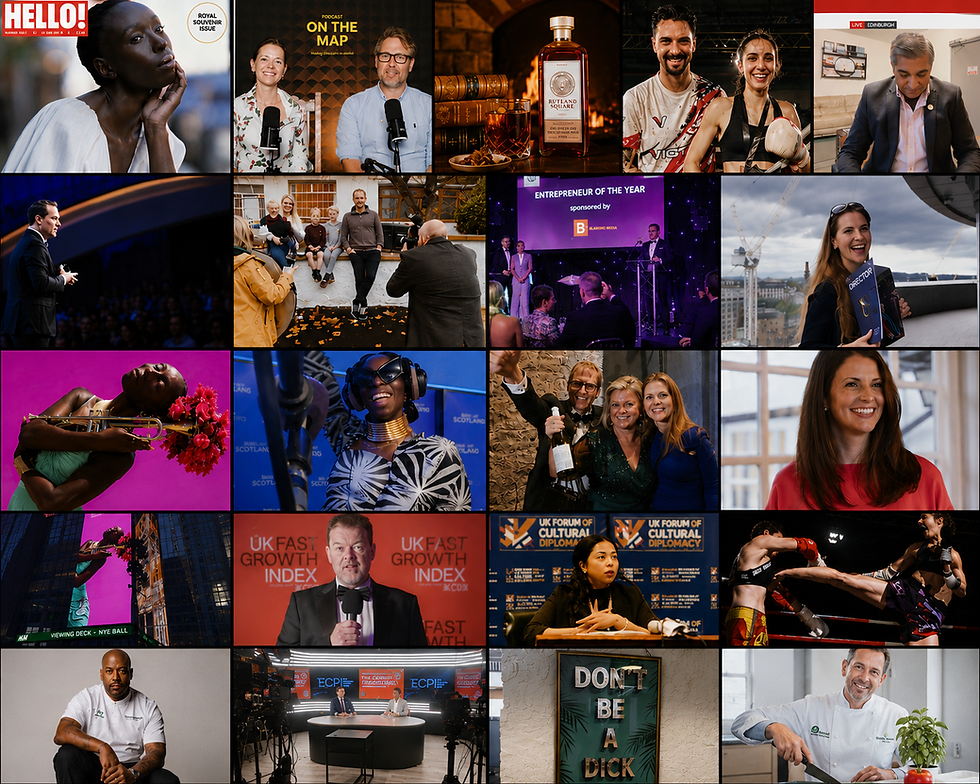
Bold Minds Media
If you're a founder, business leader, marketing director, author or public figure wondering whether you actually need personal brand PR support - or whether you could just "figure out LinkedIn yourself" - this guide is for you.
It covers what personal brand PR actually is, why it may be the most powerful marketing tool available to businesses right now, who it's genuinely worth it for, what it costs, and where the honest limits are. If you're ready to see what it could look like for you, get in touch on the contact page or email info@boldmindsmedia.com.
What is personal brand PR?
Personal brand PR is the practice of building an individual's profile - which can also help enhance the reputation and scale awareness of the business, brand or organisation behind them.
Many people hear "personal branding" and think LinkedIn, and maybe even find the idea a bit cringe. But posting on LinkedIn is really just one tactic.
True personal brand PR is about strategic storytelling, a consistent social media presence, long-form content such as podcasts, books and events, and credible media coverage, all working together to position a person as a recognised voice and authority in their field.
The central idea is simple: in a crowded market, it's often the person - not the logo - that people remember, trust, and choose to follow... which is why personal brand PR matters whether you are startup, global brand or individual.
Why is personal brand PR arguably the most powerful marketing tool a business has right now?
In the age of AI, trust is at an all-time low. The 2026 Edelman Trust Barometer, now in its 25th year of tracking global trust, recorded one of the sharpest and most broadly-held declines in trust it has ever measured, driven by economic anxiety, geopolitical tension and the accelerating spread of AI.
As AI-generated content floods every channel, audiences are growing more sceptical of polished, faceless messaging and are actively looking for real, identifiable individuals they can verify and relate to instead.
Which means individuals and organisations who can show up authentically have an immediate opportunity to stand out.
Getting your personal brand PR right can genuinely move the needle on outcomes that matter: it can drive real business growth, gain mainstream media attention, help build the investor confidence needed to secure funding, or simply position you as the recognised, go-to expert in your field.
In an environment where trust is this scarce, that kind of credibility is one of the few advantages that can't be bought outright with ad spend - it has to be built.
What does the evidence say about why personal brand actually works?
The case for personal brand PR isn't just theory - it shows up consistently in independent research on trust and engagement.
Content shared by an individual, rather than a company page, tends to see roughly double the engagement of the same content posted from a brand account (LinkedIn), gets reshared far more often (MSLGroup), and drives leads that convert at notably higher rates than other channels (IBM).
Personal Brand is the underlying logic behind frameworks like business author Daniel Priestley's "Key Person of Influence" model, which treats an individual's personal brand as a core business asset in its own right, built on the idea that the number of people who know, like and trust you is genuinely one of your most valuable assets.
The takeaway isn't that one podcast appearance or one article makes a personal brand. It's that visibility only compounds into real business value when there's a genuine story, credibility and relationships underneath it - which is exactly the groundwork personal brand PR is built to do.
How is personal brand PR different from traditional PR?
Traditional PR is usually built around a company's announcements, product launches, and corporate messaging. Personal brand PR is built around an individual's story, voice, and point of view, and tends to draw on a much wider range of formats: interviews, opinion pieces, podcasts, books, and social content, alongside traditional media coverage.
The two work best together rather than as alternatives. A founder with a strong personal profile often makes company announcements land harder, because there's already a trusted voice behind them rather than a faceless press release.
Who actually needs personal brand PR?
Personal brand PR tends to matter most for founders and scale-up leaders who want investor and customer trust to attach to them directly, business leaders and doctors building authority in a specific field, authors and thought leaders with a book or big idea to get in front of the right audience, and public figures who need their profile actively managed rather than left to chance.
It's less essential for people who are genuinely happy operating behind the scenes, or whose growth doesn't depend on being recognised individually.
Part of an honest first conversation is establishing which of these you actually are, rather than assuming everyone needs the same level of visibility.
Do early-stage startups need PR before they have traction?
Not always, and pushing PR too early is a common mistake. Coverage works best once there's a real story to tell - funding news, a genuine milestone, a differentiated point of view - rather than a startup with nothing yet to say. Going out to press too soon can burn relationships with journalists who won't come back a second time if the story wasn't there the first time.
Where personal brand PR can start earlier than traditional company PR is in building the founder's voice and content presence, so that by the time there is real news, there's already an audience and a credible spokesperson ready to receive it.
What does personal brand PR actually involve?
Bold Minds Media's approach moves through five stages: a strategy deep dive into your story, positioning and competitors; content and social media that builds credibility rather than just visibility; PR and media relations to secure high-level, targeted coverage once the story and voice are established; support with bigger content formats like books, podcasts and films where relevant; and, for some clients, turning that profile into actual pipeline through lead generation and CRM support.
The order matters. Going straight to press outreach without a clear story or content foundation tends to produce scattered, forgettable coverage rather than a profile that compounds over time.
Isn't personal brand just LinkedIn or YouTube?
This is probably the most common misconception. When most people hear "personal brand" today, they picture a LinkedIn feed or a YouTube channel - but a platform is just one channel for distributing a personal brand, not the brand itself. Confusing the two is why so many people feel like personal branding "isn't working" for them, when really they've only ever built the surface layer.
Real personal brand PR starts with your story: what you actually stand for, what unique perspective or experience you bring, and who specifically needs to hear it. From that foundation, the right channels follow - and social media is only ever one of them.
Depending on the story and the goal, that could mean credible third-party media coverage, speaking at events and being seen in the right rooms, a podcast that lets your thinking unfold in depth, or a book that establishes you as a genuine authority rather than just another voice in the feed. Posting consistently matters, but it's the distribution layer, not the strategy.
Can I just do this myself on LinkedIn?
Posting consistently on LinkedIn yourself can absolutely build a following, and plenty of people do it well without outside help. But it's worth being honest about what that actually builds: LinkedIn (or YouTube, or Instagram) is one channel, and posting five times a week on it is not the same thing as having a personal brand.
Real personal brand PR goes much deeper than a content calendar. It starts with figuring out your actual story and positioning, then works out which mix of channels genuinely serves that story - which might include social content, but might just as easily be built around events, speaking opportunities, credible media and PR coverage, or a podcast where relationships and trust are built in a far deeper way than a scrolling feed allows.
The strongest personal brands are usually the result of real relationships built deliberately over time, not posting volume.
In practice, many clients do both: posting themselves day-to-day for reach and consistency, while an agency handles the deeper strategic work - positioning, media relations, events and bigger content projects - that a social feed alone can't build.
How does personal branding fit with getting an idea into a book, podcast or film?
Long-form content - books, podcasts and documentary films - can become one of the most powerful tools in a personal brand, because it demonstrates depth and expertise in a way a single social post or short interview can't.
Bold Minds Media has supported the development of 40+ published books across 75 countries and produced hundreds of films and podcasts, reaching audiences in the millions.
The starting point is usually the same as with any personal brand PR project: establishing the core story and positioning first, then deciding which format - book, podcast, documentary, or a mix - actually serves that story best, rather than picking a format because it's trendy.
How much does personal brand PR cost?
Cost depends on scope - whether you need strategy and positioning work alone, ongoing content and media relations, or support building a larger project like a book or podcast series.
Agencies that work across the full range, from a single strategy session through to sustained media relations and long-form content production, will typically price in phases rather than a single flat retainer.
Rather than comparing on a headline monthly fee, it's worth asking what's actually included at each stage, and whether the same team works across strategy, content and media relations, or whether you're handed between different specialists as the project moves along.
Is personal brand PR worth it for a solo consultant or coach?
For consultants, coaches and solopreneurs, personal brand PR can be especially valuable because the person effectively is the business - there's no separate corporate brand to fall back on.
Strong personal positioning and credible media coverage can shorten sales cycles, since prospects arrive already trusting your expertise rather than needing to be convinced from scratch.
That said, it's not automatically the right investment at every stage. Solopreneurs who don't yet have a clear point of view or a repeatable offer often get more value from sharpening that first, before spending on visibility for a message that's still evolving.
How long does it take to see results from personal brand PR?
Media relations and coverage can move relatively quickly once a strong story and positioning are in place - sometimes within weeks for a well-timed piece of news. Building a recognisable personal brand that compounds over time, however, is typically a matter of months, not days, since it depends on consistent content and repeated credible coverage rather than a single hit.
Bigger content projects, particularly books and films, run on longer timelines still - often many months from concept to publication or release. Setting realistic expectations about timeframes at the outset is part of an honest scoping conversation, rather than promising overnight visibility.
What makes coverage "real" versus vanity metrics?
Genuine personal brand PR coverage tends to come from targeted, relevant outlets and platforms where your actual audience - investors, customers, peers - will see it, rather than volume of press mentions for their own sake. Bold Minds Media has secured 10,000+ media interviews across newspapers, radio, TV and podcasts for its clients, but the more useful measure for any individual client is whether that coverage reached the people who matter to their specific goals.
It's worth asking any agency directly how they define success for your project, and whether they track outcomes like inbound enquiries or audience growth, not just the number of logos in a coverage report.
Who has Bold Minds Media worked with?
Our team have worked with over 250 clients, ranging from fast-growth startups and scale-ups to global household names including Amazon, Sony and Disney, alongside business leaders, doctors, authors and public figures building their personal profile. The team is based in Edinburgh and London, with consultants supporting clients in the US, UAE and Asia.
That range - from large corporate brands to individual founders and authors - reflects a belief that in the age of AI, authentic human storytelling matters more than ever, whether it's attached to a company or a person.
What's the process for starting a personal brand PR project?
The process typically begins with a strategy deep dive: understanding your story, positioning, competitors and marketing to date, and using that to build an integrated PR, content and social media roadmap.
From there, the focus moves to content and social media, then targeted media relations once your voice and online presence are established, with longer-form projects like books, podcasts or films brought in where they genuinely serve your goals.
There's no requirement to commit to every stage at once. A conversation about where you're starting from - and which parts of this you actually need - is the sensible first step.
FAQs
What's the difference between personal branding and company branding?
Personal branding builds recognition and trust around an individual, while company branding builds it around a business or product. The two can reinforce each other, but they're not the same thing, and a strong company brand doesn't automatically mean the founder has a recognisable profile of their own.
Is personal brand PR only for CEOs and founders?No.
It's commonly used by business leaders and founders, but also by doctors, consultants, authors and other professionals whose credibility and visibility directly affect their opportunities, even without a "CEO" title.
Is personal brand PR just about being active on social media?
No. Social platforms are one distribution channel among several. Real personal brand PR starts with story and positioning, and can involve media coverage, events, speaking, podcasts and books just as much as - or more than - social posting.
Can personal brand PR help with fundraising?
A well-established personal profile can support fundraising by giving investors more confidence in the person behind the business before financial diligence even begins, though it's a supporting factor alongside the fundamentals of the business itself, not a substitute for them.
Do I need an existing following before starting personal brand PR?
No. Some clients start with little to no existing audience and build both the story and the following through the process; others already have a following and are looking to convert it into media coverage or larger opportunities like books and speaking.
How is success measured in a personal brand PR campaign?
Success measures vary by client goal - media coverage volume and quality, audience growth, inbound leads, or progress on a specific project like a book launch - and should be agreed upfront rather than assumed.
Can a personal brand PR agency also help turn visibility into actual business leads?
Some agencies, including Bold Minds Media, offer this as a distinct later stage - connecting an established profile to lead generation and CRM support - but it typically follows, rather than replaces, the initial work of building the story and coverage.
If you'd like an honest conversation about whether personal brand PR is the right investment for you right now, contact Bold Minds Media at info@boldmindsmedia.com


Comments